
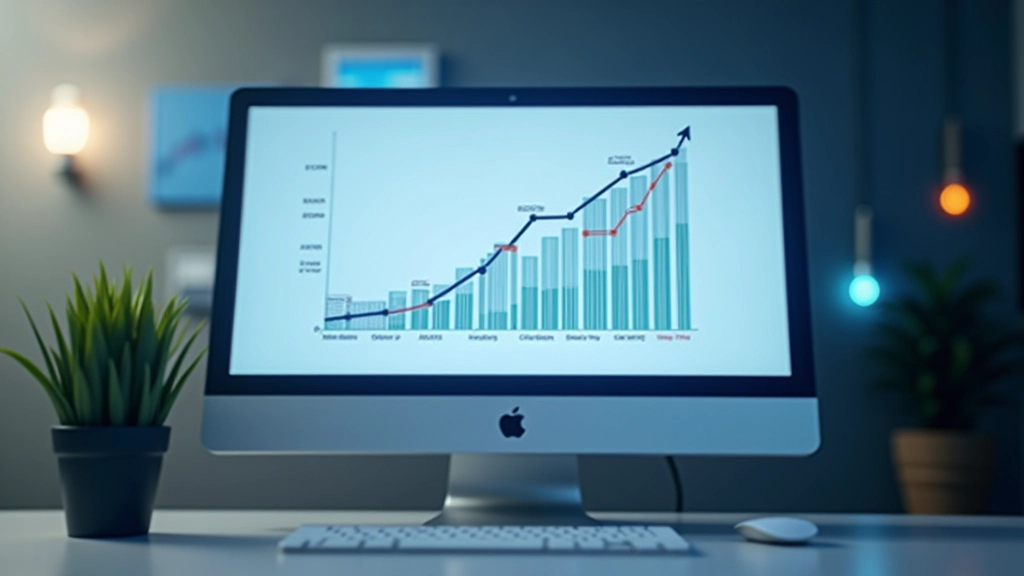
Interpreting Growth Rate Data
Understand what growth rates actually mean, how they’re calculated year-over-year, and what makes a good growth rate in the Indian context.
Read MoreLearn the difference between nominal and real GDP, understand the three measurement approaches, and see how India’s system compares to international standards.

Gross Domestic Product (GDP) is the total monetary value of all finished goods and services produced within a country’s borders during a specific period. It’s the primary indicator economists and policymakers use to assess economic health. For India, getting these numbers right isn’t just academic—it directly influences policy decisions, investor confidence, and how the nation plans its economic future.
You’ll encounter GDP in two main forms: nominal GDP (the raw numbers) and real GDP (adjusted for inflation). The difference between them tells you whether the economy’s actually growing or if you’re just seeing higher prices. We’ll walk through both, explore how statisticians actually measure this enormous figure, and show you how India’s approach fits into the global framework.

India’s Central Statistics Office uses three distinct methods to calculate GDP. Each one approaches the same number from a different angle, and when they align, you know the figure’s reliable.
Calculates the value added at each stage of production. It’s essentially the sum of all goods and services produced minus intermediate inputs (so you don’t double-count). Agriculture, manufacturing, and services each contribute their value-added portion to the total.
Sums all incomes earned in producing those goods and services. This includes wages, profits, interest, and rent. The Central Statistics Office collects data from businesses, employers, and financial institutions to build this picture. It’s different data, same GDP.
Totals what everyone spent. You add household consumption, business investment, government spending, and net exports (exports minus imports). It’s the broadest approach and relies on survey data from households and retail transactions across the country.

Here’s where inflation enters the picture. Nominal GDP is the raw figure—if India’s nominal GDP grows from 150 trillion to 165 trillion, that looks like 10% growth. But what if 7% of that growth came purely from inflation (prices rising)? Your actual economic growth was only 3%.
Real GDP adjusts for inflation by using a base year. The Central Statistics Office typically uses 2011-12 as the base year, measuring everything in those prices. This shows what actually happened economically—whether people bought more goods, produced more services, and invested more—without the noise of price increases.
India switched its base year from 2004-05 to 2011-12 in 2015, which recalculated historical growth rates. It’s a technical shift, but it matters for comparing data. When you’re reading economic reports, always check which base year they’re using. Real GDP is what policymakers really care about because it shows true economic expansion.
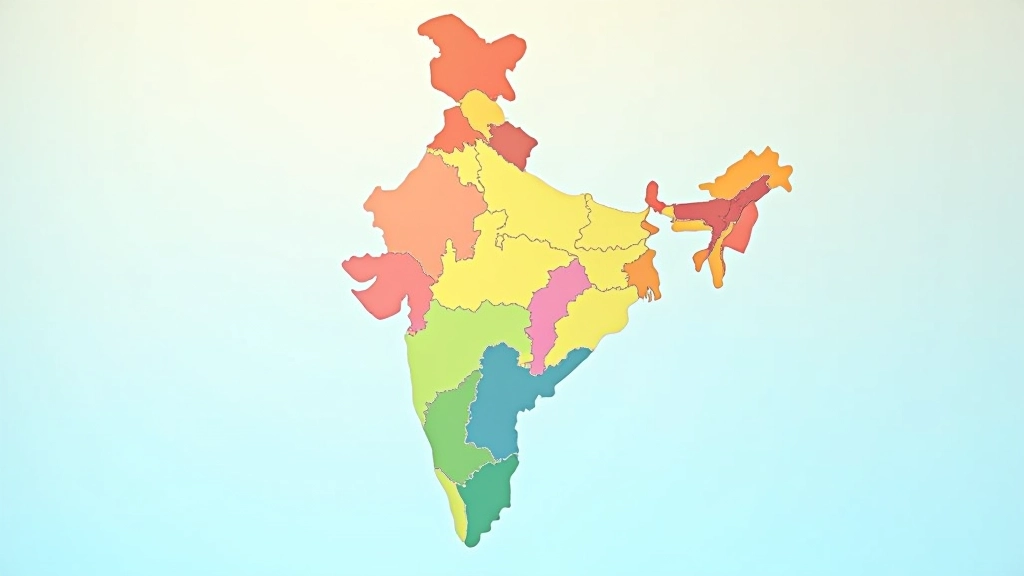
India’s Central Statistics Office (CSO), under the Ministry of Statistics and Programme Implementation, releases GDP figures every quarter. They don’t wait until the year ends—quarterly estimates keep everyone informed about economic momentum throughout the year. The first advance estimate comes about 33 days after the quarter ends, then they release a second advance estimate, and finally a final estimate about nine months later.
The CSO collects data from surveys, tax records, business filings, and administrative sources. For agriculture—still crucial in India—they use crop production data. For manufacturing, they rely on industrial surveys. For services, it’s trickier; they use proxy indicators like electricity consumption, telecommunications data, and financial transactions. The three approaches should theoretically give the same number, but in practice, they’re weighted and reconciled using statistical methods.
This approach differs from some developed nations that use more direct consumption surveys. India’s system is data-efficient and works within practical constraints, though critics occasionally argue for improvements in real-time data collection, especially for the informal economy which remains substantial.
GDP doesn’t tell the complete story alone. Breaking it down by sector reveals what’s driving growth.
Agriculture remains significant for India’s GDP, though its share has declined from over 30% in 1990 to roughly 16-18% today. It employs over 40% of the workforce, so growth in farming affects the entire economy.
Manufacturing typically contributes 15-17% to GDP. This includes everything from textiles and chemicals to automotive and electronics. India’s manufacturing sector expanded during the 2000s but hasn’t grown as rapidly as services in recent years.
Services now represent roughly 60% of GDP and are the real growth engine. IT services, financial services, telecommunications, and trade are all here. This shift reflects India’s development trajectory—from agrarian to industrial to service-oriented.
Production, income, and expenditure approaches should converge on the same GDP figure. When they don’t, statisticians investigate data quality and reconcile the differences using established methods.
Always distinguish between the two. Real GDP (adjusted for inflation) shows true economic growth, while nominal GDP can mask inflation’s effects. India uses 2011-12 as the base year for real GDP calculations.
Services now dominate India’s GDP, reflecting structural economic changes. Agriculture and manufacturing still matter, but the economy’s center of gravity has shifted toward services and digital sectors.
The CSO releases GDP estimates quarterly, allowing you to track economic momentum throughout the year. First estimates come fast; final estimates arrive months later with more complete data.
Understanding GDP measurement is foundational for economic analysis. Explore related topics to build a complete picture of how economies are measured and tracked.


This article provides educational information about GDP measurement methodologies in India. It’s intended to help readers understand how economic statistics are calculated and interpreted. The information presented reflects standard economic practices and data from India’s Central Statistics Office as of March 2026. GDP measurement methodologies, base years, and statistical approaches may change over time. For the most current official figures and detailed technical documentation, always consult the Ministry of Statistics and Programme Implementation’s official publications. This content is for informational purposes only and shouldn’t be used as the sole basis for economic or investment decisions.