


EconMetrics India Logo EconMetrics India Contact Us
Contact Us

Understanding India’s Economic Growth

Practical guides to GDP measurement, economic output tracking, and growth rate analysis for professionals seeking deeper insights into macroeconomic indicators.

Explore Resources
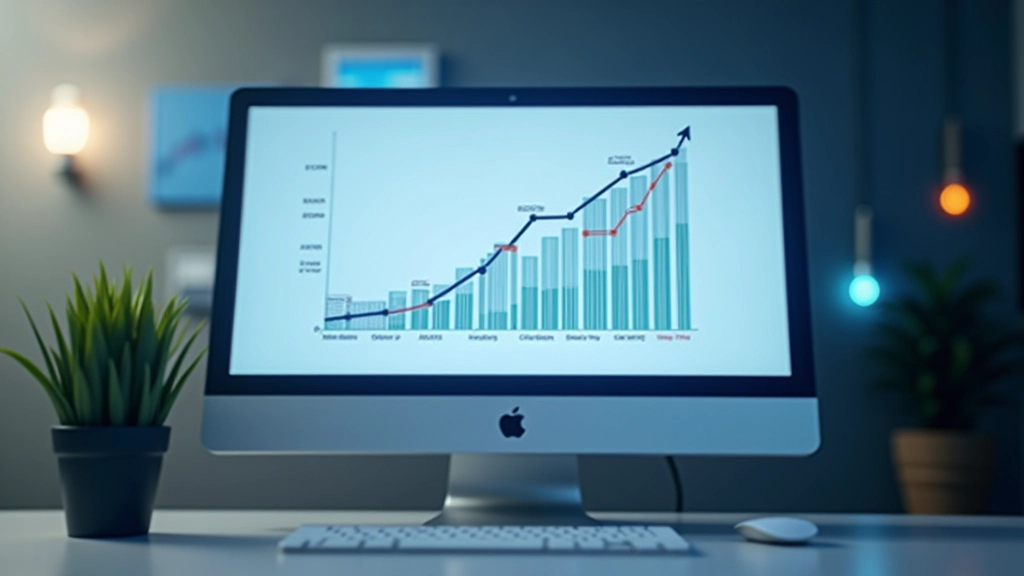
Financial analyst reviewing economic data on desktop computer with charts and graphs displayed

Essential Guides on Economic Indicators

Comprehensive articles covering GDP measurement methodologies, economic output tracking, and growth rate interpretation for professional development.

Economist reviewing quarterly GDP statistics document with growth metrics visible on pages

How GDP Measurement Works in India

Learn the difference between nominal and real GDP, understand output approaches, and see how India’s measurement system compares to international standards.

12 min Intermediate March 2026
Read More
Growth trend line displayed on financial monitor showing quarterly economic expansion patterns

Interpreting Growth Rate Data

Understand what growth rates actually mean, how they’re calculated year-over-year, and why seasonal adjustments matter when analyzing economic performance.

10 min Beginner February 2026
Read More
Economic output report showing sectoral breakdown with agriculture manufacturing services data highlighted

Tracking Economic Output by Sector

Explore how India’s economic output is distributed across agriculture, manufacturing, and services sectors. Learn to identify structural changes and growth patterns.

14 min Advanced March 2026
Read More
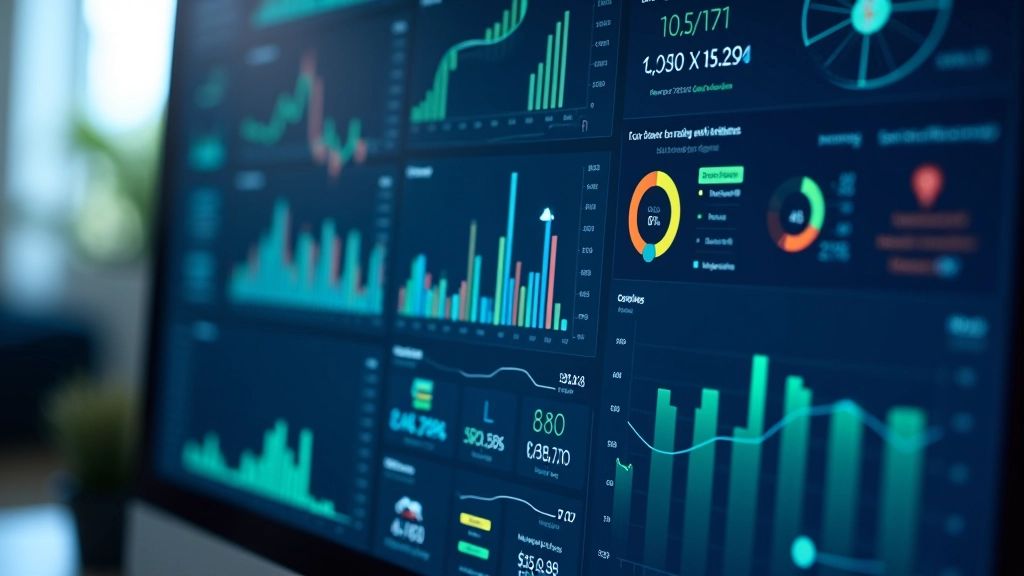
Macroeconomic indicators dashboard showing inflation employment and fiscal policy metrics

Key Macroeconomic Indicators Explained

Get clarity on inflation, employment rates, fiscal deficits, and currency movements. Understand how these indicators connect to overall economic health and policy decisions.

16 min Advanced February 2026
Read More

Why These Concepts Matter

Economic Decision Making

Professionals in finance, policy, and business rely on accurate GDP measurements and growth rate data. Understanding how these numbers are calculated helps you evaluate economic forecasts and make informed decisions about investments, expansion plans, and resource allocation.

Real-World Application

Economic indicators don’t exist in isolation. When you understand how sectoral output feeds into GDP, how growth rates are adjusted seasonally, and how different components interact, you’ll spot opportunities and risks that others miss. It’s practical knowledge that directly impacts your professional work.

Tracking Progress

India’s economy evolves constantly. By learning to read and interpret macroeconomic data, you’ll stay current with structural changes, policy impacts, and emerging trends. This knowledge gives you credibility in discussions with colleagues and stakeholders.

Common Questions About Economic Indicators

Quick answers to help you understand the basics of macroeconomic analysis.

What’s the difference between nominal and real GDP?

Nominal GDP measures economic output at current prices, while real GDP adjusts for inflation to show actual growth. If your economy grows 8% nominally but inflation is 6%, real growth is closer to 2%. Real GDP gives you a clearer picture of whether the economy is actually producing more or just experiencing price increases.

Why do economists talk about seasonally adjusted growth rates?

Some sectors naturally perform better at certain times of year. Agriculture spikes during harvest, retail jumps during festivals. Seasonal adjustment removes these predictable fluctuations so you can see the underlying trend. Without it, you’d confuse normal seasonal patterns with actual economic momentum.

How does sectoral output affect overall GDP growth?

GDP is the sum of all sectoral output. If services grow 9% but agriculture contracts 2%, the overall growth depends on each sector’s weight in the economy. India’s services sector is larger, so its performance matters more. Understanding this helps you predict GDP trends by watching sector-specific data.

What role does inflation play in economic analysis?

Inflation erodes purchasing power and affects real returns on investments. High inflation can mask weak growth, while low inflation might reflect genuine productivity gains. When analyzing economic health, you need to separate price movements from volume changes. That’s why professionals always look at real, inflation-adjusted figures alongside nominal ones.